
 Giulia Tech Community
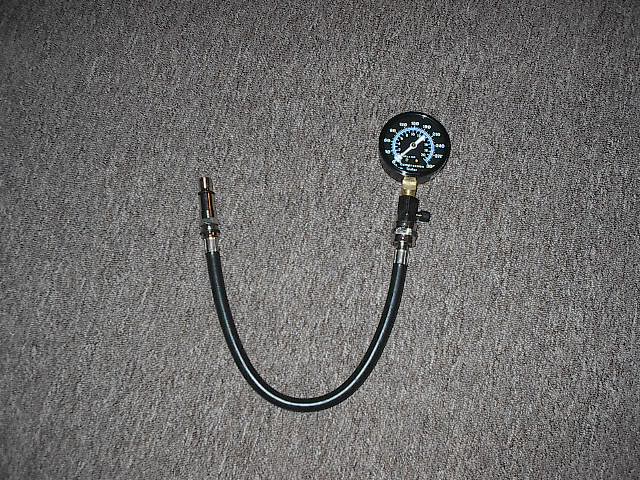 |
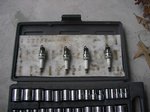
Compression check Tools needed: |
|
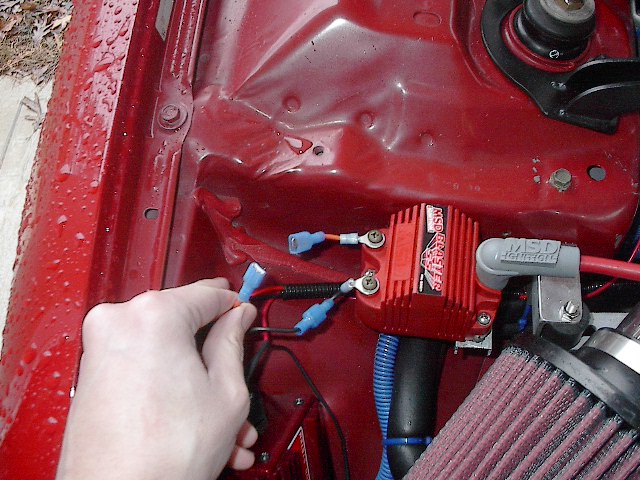
Step 1: Disable the ignition and fuel system START WITH THE ENGINE AT NORMAL OPERATING TEMPERATURE!! You will get a false reading on a cold engine. Either remove power to the coil or remove the fuse in the fuse box. Also disable the fuel delivery system. I find it just as easy to pop off the injector wires as it is to disable it in the fuse box. Some instructions don't call for this step, but you don't want fuel being pumped into the cylinders during the testing. |
 |
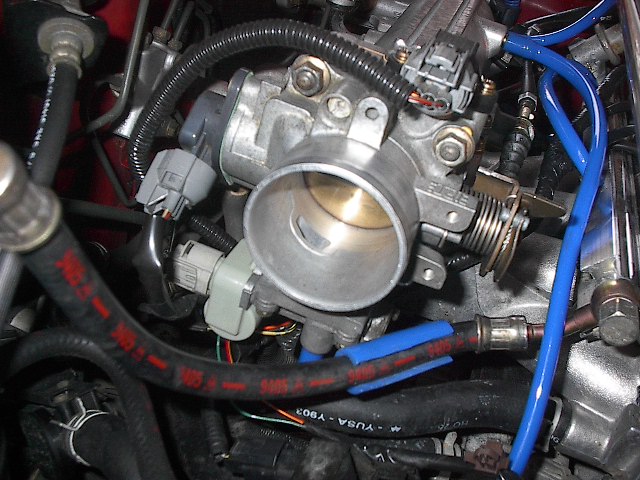 |
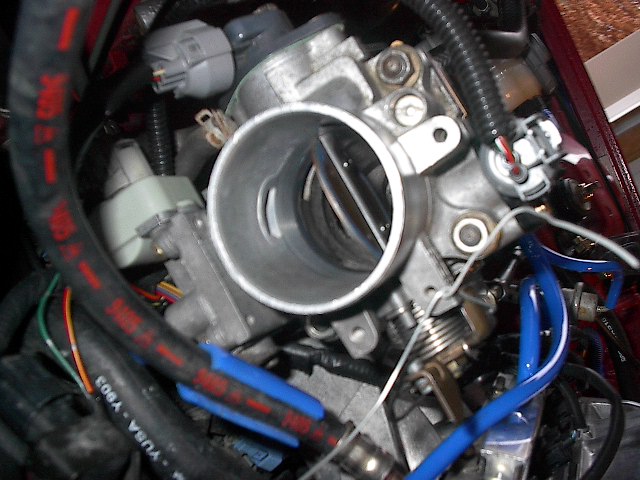
Step 2: Block open the throttle You want 0 vacuum when you are doing this test. If you have negative pressure its going to take away from the total positive cylinder pressure. Block open the throttle with wire or some string. |
 |
 |
Step 3: Remove the plugs and start the test Make sure you keep the plugs in order, you want the same plug to go back in the cylinder it was taken from. Also, if there is a problem with a cylinder you can take a look at the plug to help determine the problem. |
|
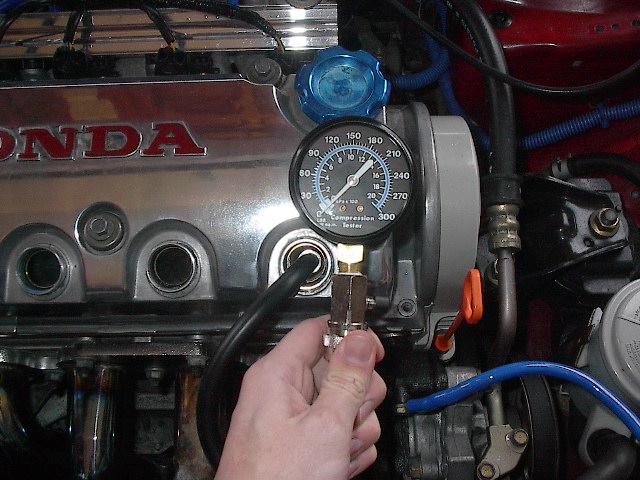
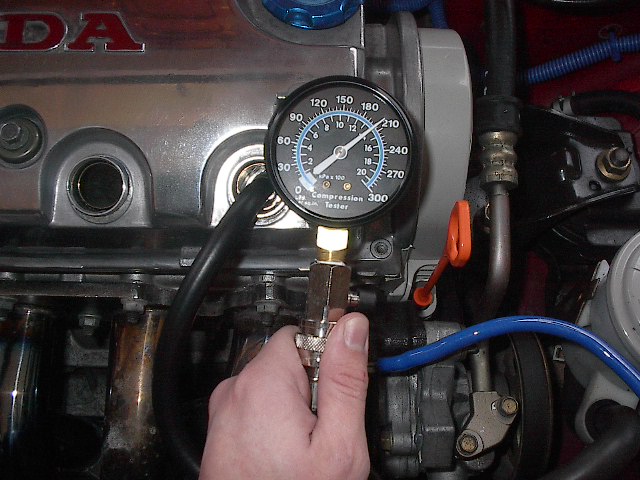
Start with cylinder #1, hook up the gauge and crank over the motor at least 7 to 8 times. In a healthy engine, the gauge should rise quickly and reach its peek after about 4 – 5 compression strokes. Record the result, reset the gauge, check the connections and repeat the test on the same cylinder. The average of the two readings is your result. Do these steps for the remaining cylinders.
|
 |
 |
Reading the results. The results will vary from engine to engine, and even from cylinder to cylinder on the same engine. A healthy engine should not vary more then 25 to 28 PSI from the lowest to the highest reading. This will cause uneven power between cylinders when the engine is running. Even cylinder pressures is actually more important then total pressure. In most high revving import engines the minimum PSI you want is 135. Though if one cylinder reads 170 and the rest over 200, even through they are all above 135 this is still a problem and may be an indication of a blown head gasket, bent valve or out of place piston ring. |
|
If one or all cylinders are low, put about 3 squirts of heavy weight gear oil in the cylinder through the sparkplug hole with an oil can. Repeat the test, if the compression rises significantly, your problem is most likely piston rings. If it only rises 5 to 7 pounds the problem is most likely in the valves or gasket. Compression testing is mainly done to determine whether an engine is good order for a NOS or forced induction upgrade. I have seen naturally aspirated engines running variations up to 40 PSI between cylinders with no unhealthy side effects.
|